
Table of Contents:
For decades, marketing worked in one direction. A brand pushed a message out via an ad, an email, or a text, and waited to see who responded. This whole time, the customer has been an audience, not an active participant. Conversational campaigns flip that model. Instead of broadcasting at people, they’re designed to open a real, two-way dialogue with them. That subtle shift in brand accessibility fundamentally changes how customers engage, how loyal they stay, and how often they convert.
Here's what conversational campaigns actually are, why they work, and how RCS for Business makes them especially powerful.
What is a conversational campaign?
Let’s start with the definition. A conversational campaign is a marketing effort built around real-time, personalized dialogue rather than one-way messaging. Conversational marketing is, at its core, an approach to customer engagement that uses real-time conversations and personalized interactions to create a more direct and meaningful connection between a business and its customers.¹ Rather than sending a message and hoping for a click, a conversational campaign invites a response, answers it, and guides the customer forward. This turns a static promotion into an interactive exchange that moves the viewer along the buying journey in a natural way.²
The format can run through chatbots, messaging apps, live chat, and increasingly AI-assisted agents but the principle is the same everywhere: the customer talks, the brand listens and responds, and the experience adapts in real time.
Why conversational campaigns drive engagement and retention
A conversation earns the viewers’ attention, and that difference shows up in the results.
- This is mainly because they feel somewhat human. We know that there are times when an AI conversation can make people uneasy, but studies show that people increasingly prefer brands that offer human-centric, personalized interactions over generic mass messaging.¹ A back-and-forth exchange (especially one that remembers context, answers the actual question, and responds like a person would) creates an emotional connection a one-way SMS or email blast simply can't. That connection is what turns a transaction into a relationship.
- Conversational campaigns build loyalty and retention. Because conversational campaigns can continue the relationship beyond a single message via timely reminders, replenishment nudges, exclusive offers, and post-purchase check-ins, they're a natural driver of loyalty and retention.³ And retention is one of the most powerful revenue levers a business has: keeping and nurturing an existing customer is far more efficient than constantly acquiring new ones.⁴
- They guide users through processes, rather than interrupting them. A good conversational flow does in a few quick exchanges what a landing page struggles to do — qualify interest, surface the right offer, and remove friction. Most effective marketing conversations resolve in just three to five exchanges, capturing intent and moving the customer forward before attention fades.²
Where conversational campaigns show up
The use cases are broad, because almost any customer moment can become a conversation. Common conversational campaign types include sampling and product-recommendation flows, appointment booking, abandoned-cart recovery, replenishment and restock alerts, VIP and loyalty offers, and post-purchase experiences. And they’re all designed to drive revenue and retention through natural, in-the-moment messaging.⁴
How RCS powers conversational campaigns
This is where RCS for Business becomes the natural home for conversational campaigns. Conversational marketing only works if the conversation happens somewhere the customer already is, in a visually engaging format good enough to actually move them, and RCS delivers exactly that. Essentially, RCS for Business is the conversational layer of your customer communications.
- It lives in the native inbox. RCS conversations happen in the default messaging app, the same place customers talk to friends and family, so they don’t have to download an app or login to engage. The conversation reaches them where their attention already is and keeps them there.
- It's branded and trusted. A verified, branded sender means the customer knows exactly who they're talking to, which is the foundation of any real conversation.
- It's genuinely interactive. Send clickable videos, image slideshows, images, and tappable suggested replies and actions let a customer browse options, answer questions, and make choices inside the thread — so the dialogue is rich, not just a chain of plain texts.
- It's two-way by design. RCS is built for back-and-forth comms, which is the entire purpose of a conversational campaign.
How that drives conversions
Put those pieces together and the path to conversion gets dramatically shorter. Instead of pushing a customer out to a landing page and hoping they complete a form, an RCS conversational campaign can qualify the lead, recommend the right product, answer any questions they may have, and let the customer book or buy in the messaging app.
The numbers reflect it too: 72% of consumers say they're more likely to purchase after a real-time conversation with a brand,⁵ and RCS campaigns report conversion rates in the 20–40% range, which is higher than traditional broadcast channels.⁶ So the conversation doesn't just feel better than an SMS text message or email, it converts better, too.
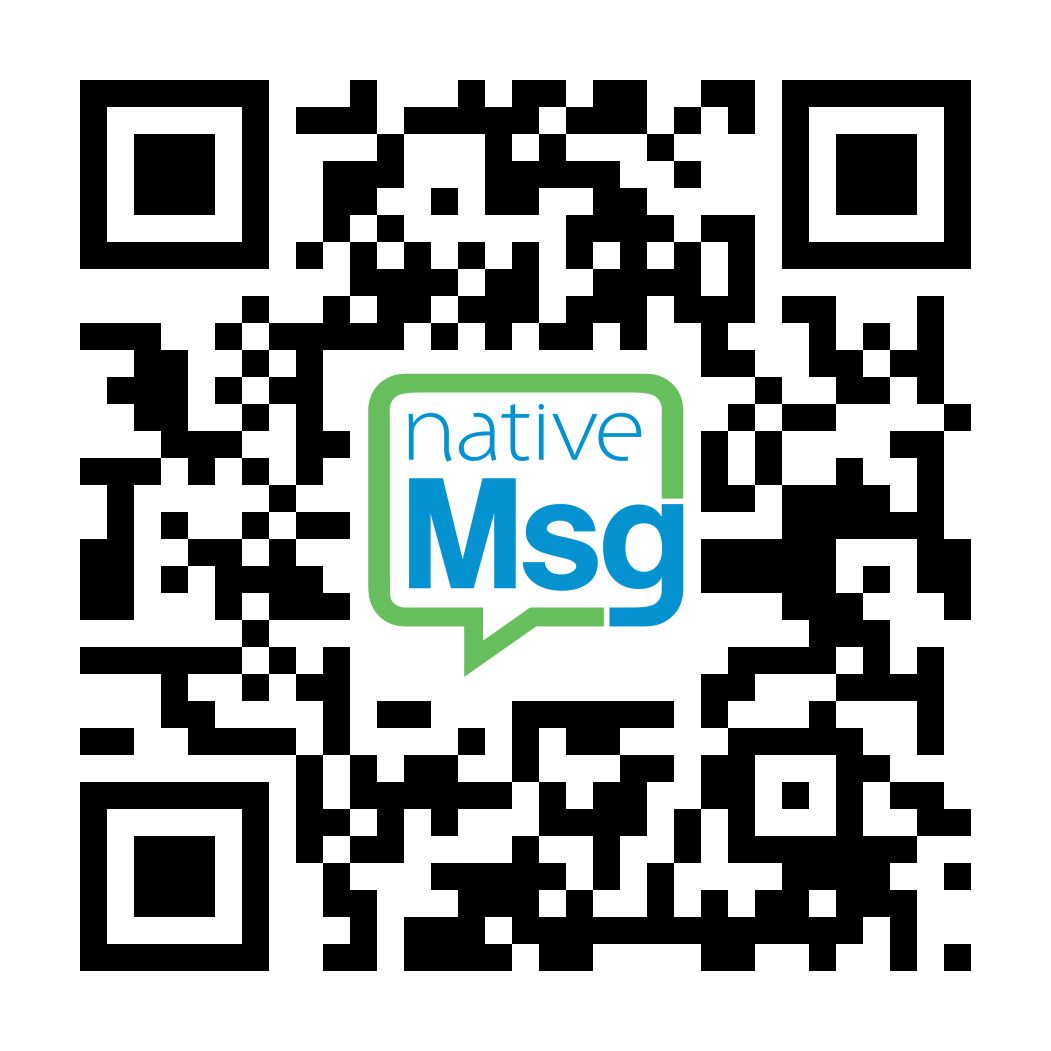
Don’t take my word for it, scan the QR code below to see an RCS conversation in the palm of your hand. You can also check out our interactive guide to see a quick, step by step walkthrough. Lastly, if you want to see it customized to fit your company, industry and use cases, book a demo and we can set that up for you and more.